
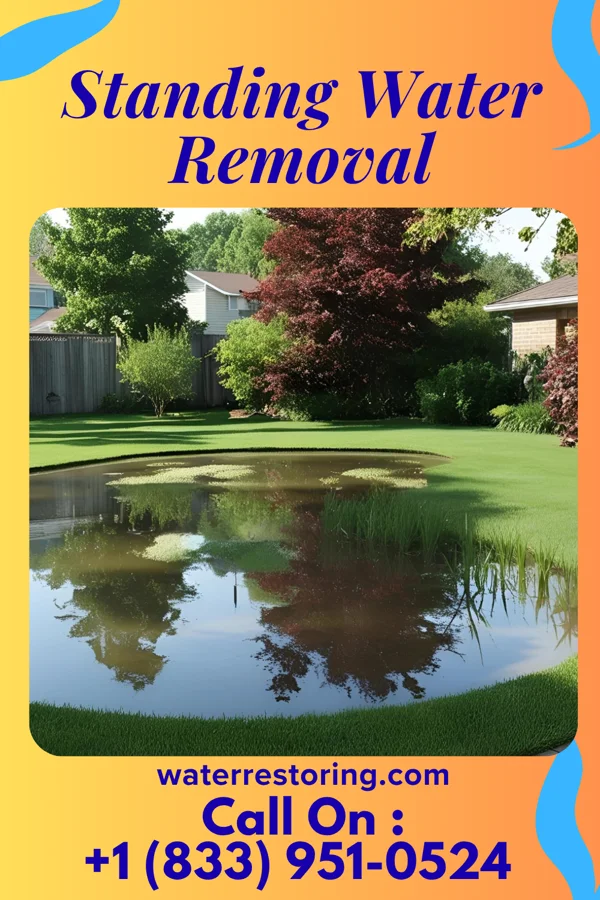
Standing Water & Insurance in Twin Lakes
In Twin Lakes, Oklahoma, water damage is often caused by sudden plumbing failures, such as burst pipes or leaking water heaters, due to the rural nature of the area and aging infrastructure. Additionally, heavy rainfall and flash flooding from nearby rivers like the Cimarron can lead to significant water intrusion in homes and businesses. is the trigger behind most standing water removal claims in Twin Lakes. A close second is Secondary causes include inadequate drainage systems in rural areas, leading to pooling water around properties, and poor maintenance of septic tanks, which can result in groundwater contamination and structural damage. Stormwater runoff from nearby towns like Cashion and Crescent Springs also contributes to localized flooding.. Most homeowner insurance policies cover sudden, accidental water damage. What separates a clean claim from a stuck one is fast professional response with documentation an adjuster can actually use.
Twin Lakes experiences a semi-arid climate with hot summers and mild winters, but the region is prone to sudden thunderstorms and heavy downpours, increasing the risk of flash flooding. The surrounding agricultural land can also contribute to water accumulation during heavy rains.
Most standing water removal calls in Twin Lakes come from In Twin Lakes, Oklahoma, water damage is often caused by sudden plumbing failures, such as burst pipes or leaking water heaters, due to the rural nature of the area and aging infrastructure. Additionally, heavy rainfall and flash flooding from nearby rivers like the Cimarron can lead to significant water intrusion in homes and businesses.. Running a close second is Secondary causes include inadequate drainage systems in rural areas, leading to pooling water around properties, and poor maintenance of septic tanks, which can result in groundwater contamination and structural damage. Stormwater runoff from nearby towns like Cashion and Crescent Springs also contributes to localized flooding.. Local mold risk: Mold growth in Twin Lakes can occur quickly due to the region's warm and humid summer months, making prompt water damage response critical to prevent health hazards and structural damage. Rural properties may lack proper ventilation, exacerbating mold risks.